Single Ladder
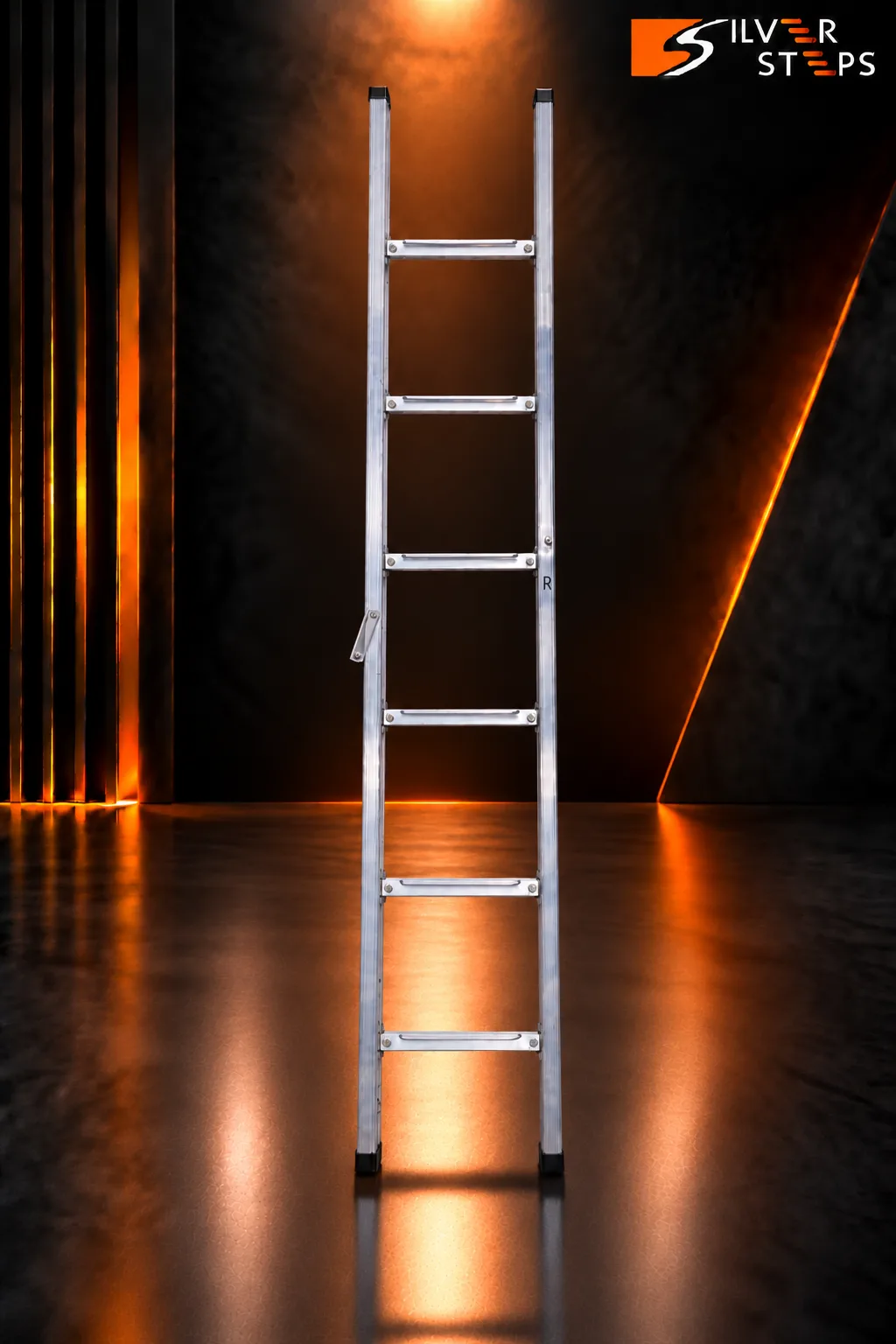
A Single Ladder is a straight, non-self-supporting industrial access ladder engineered to provide direct, rigid climbing ascent between floor levels and elevated structural points. Requiring a solid leaning wall or beam support, its one-piece extruded aluminium profile delivers exceptional strength-to-weight efficiency for warehouse racking, plant maintenance, and construction setups.
- Wall-Supported Straight Design: Requires a stable vertical leaning surface; delivers maximum rigid reach with zero mechanical complexity.
- One-Piece Continuous Stiles: High-tensile aluminium side channels provide superior longitudinal stiffness and zero frame play.
- Corrugated Anti-Slip Rungs: Deeply ribbed non-skid rungs swaged directly into side stiles ensure positive boot grip.
- Lightweight Portability: Streamlined single-section build enables effortless one-person shoulder carry across job sites.
Technical Parameters
Technical attributes for factory fabrication. Numeric capacities and section dimensions are confirmed directly per project enquiry.
| Specification Parameter | Technical Value / Status |
|---|---|
| Height range | Available on request |
| Load capacity | Available on request |
| Material | Available on request |
| Steps | Available on request |
| Weight | Available on request |
| Folded size | Available on request |
| Duty | Available on request |
Key Product Features
Each component is designed for daily durability, straightforward deployment, and balanced stability.
1. Straight Non-Self-Supporting Stance
Direct Vertical Ascent
Engineered specifically to lean against structural walls, parapets, or solid beams at the recommended 75-degree angle.
2. Heavy Extruded Aluminium Stiles
Rigid Box Profile
High-grade structural aluminium alloy resists bending and lateral deflection under heavy industrial climber loads.
3. Corrugated Anti-Skid Rungs
Swaged Mechanical Joints
Rungs feature all-around serrations and are hydraulically swaged into stile side walls for permanent joint integrity.
4. Dual Heavy-Duty Rubber Feet
Slip-Resistant Base
Thick grooved rubber shoes prevent base kick-out on smooth concrete, stone, or asphalt surfaces.
5. Zero Moving Parts Mechanism
Minimal Maintenance
Simple, robust single-section construction with no hinges or ropes to wear out in harsh industrial conditions.
6. Weather & Corrosion Immunity
Outdoor Resilience
Aluminium naturally forms a protective oxide layer that resists rain, humidity, and rust in unconditioned warehouses.
Applications & Use Cases
Where and how Single Ladder delivers safe, repeatable efficiency across everyday tasks.
Building Facade, Parapet & Slab Climbing
Environment: Civil construction sites, building retrofits, and masonry projects.
Specific Task: Climbing between finished floor slabs, inspecting external beams, and accessing intermediate scaffolding decks.
Vertical Mezzanine & Fixed Wall Inspection
Environment: Industrial warehouses, grain godowns, and manufacturing supply depots.
Specific Task: Accessing elevated inspection walkways, checking high-level piping, and servicing rooftop access hatches.
Linked Industry Sectors Served:
Safety & Correct Use
Essential operator guidelines to maintain structural integrity and prevent falls during routine access.
Critical Electrical Warning: Conductive Metal Notice
Aluminium and industrial metal ladders conduct electrical current. Never use this ladder near live electrical wiring, exposed electrical conduits, open switchboards, or high-voltage lines.
If your work involves electrical maintenance, repairs near power distribution boards, or industrial cabling, you must exclusively use our dielectric FRP Non-Conductive Ladders engineered for high-voltage isolation.
1. Solid, Level Ground
Always set base feet on a flat, solid, dry surface. Never place wedges, bricks, or unstable blocks under stiles to level the ladder on uneven floors.
2. Positive Locking Check
Ensure all mechanical spreader arms, hinge locks, or telescopic gravity pawls are fully engaged and locked before ascending the ladder.
3. Respect Load Ratings
Total combined weight - including user, tools, and carried materials - must strictly remain within the manufacturer's rated duty capacity.
4. 3 Points of Contact
Maintain three points of contact (two feet and one hand, or two hands and one foot) while ascending or descending. Always face the ladder while climbing.
5. Never Move While Occupied
Never attempt to bounce, walk, slide, or adjust the ladder position while standing on it. Descend fully to the ground before repositioning.
6. Pre-Shift Inspection
Check rails, rungs, fasteners, and rubber feet for grease, cracks, or deformation before use. Remove damaged ladders from service immediately.
Comprehensive Safety Documentation
Review our corporate compliance policies, factory testing criteria, and operator guidance.
Related Industrial Ladders
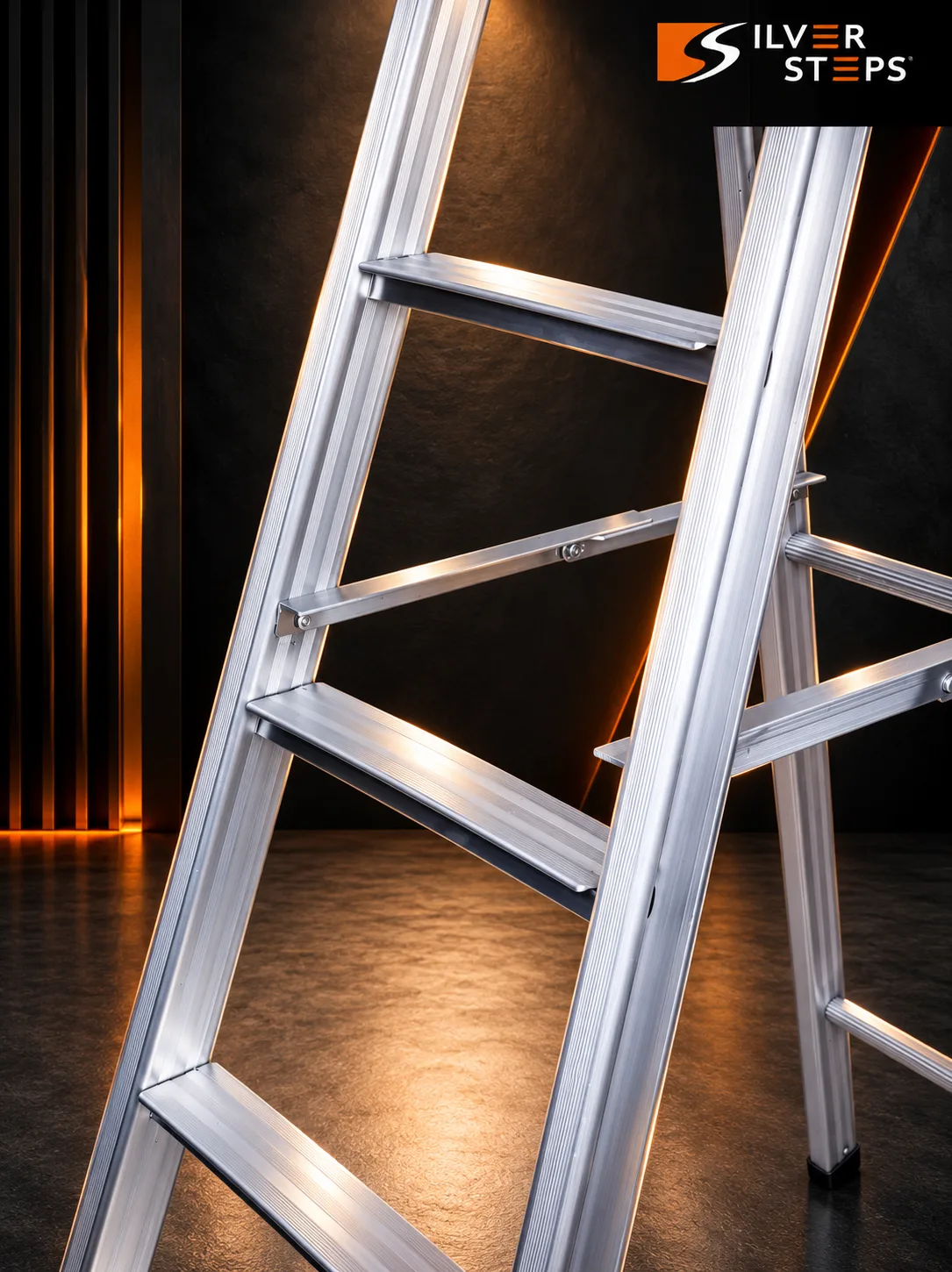
Factory Ladder
Rugged aluminium work ladder with top guardrail and spacious standing deck.
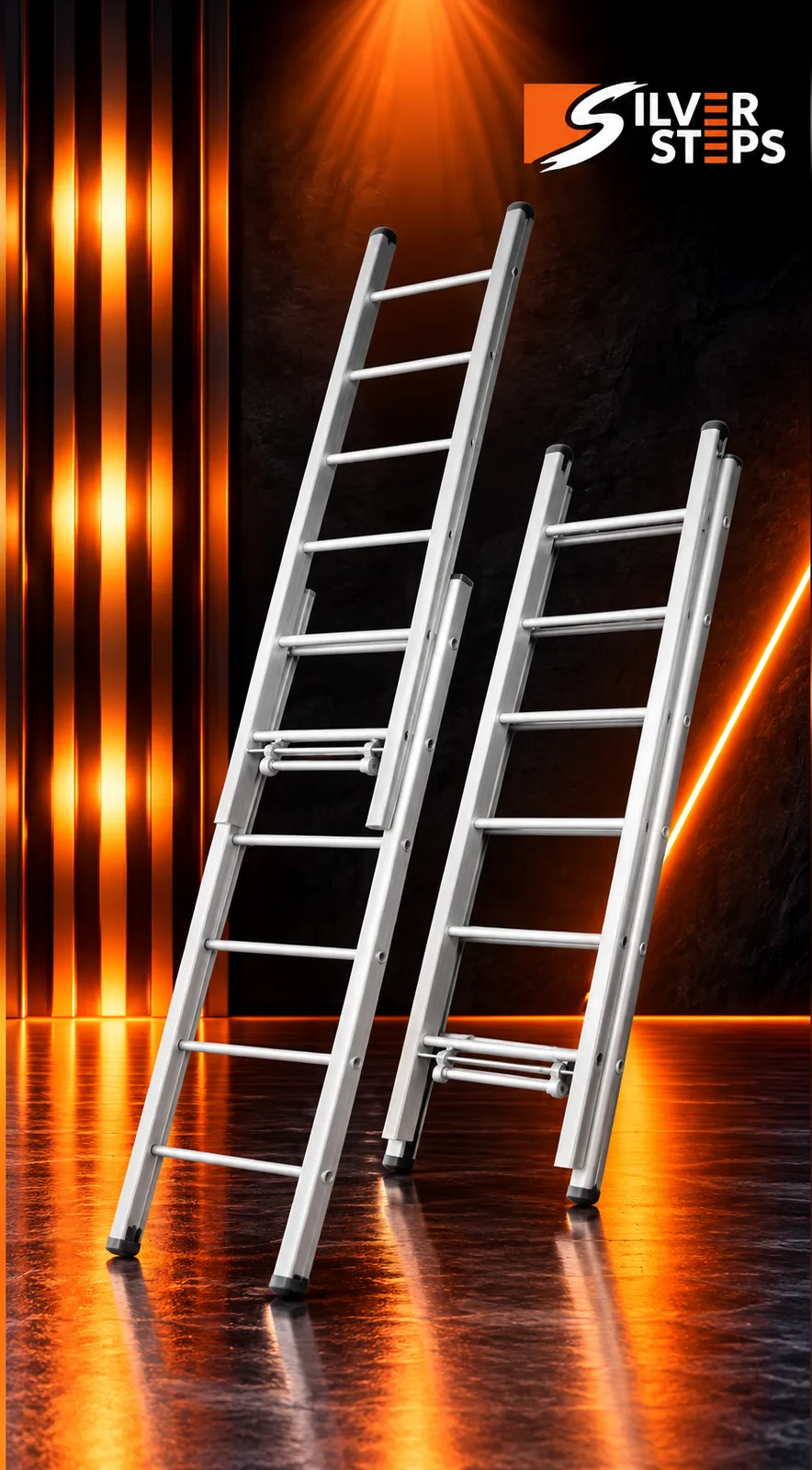
Wall Extension Ladder
Double-section leaning extension ladder with heavy nylon pulley and swivel shoes.
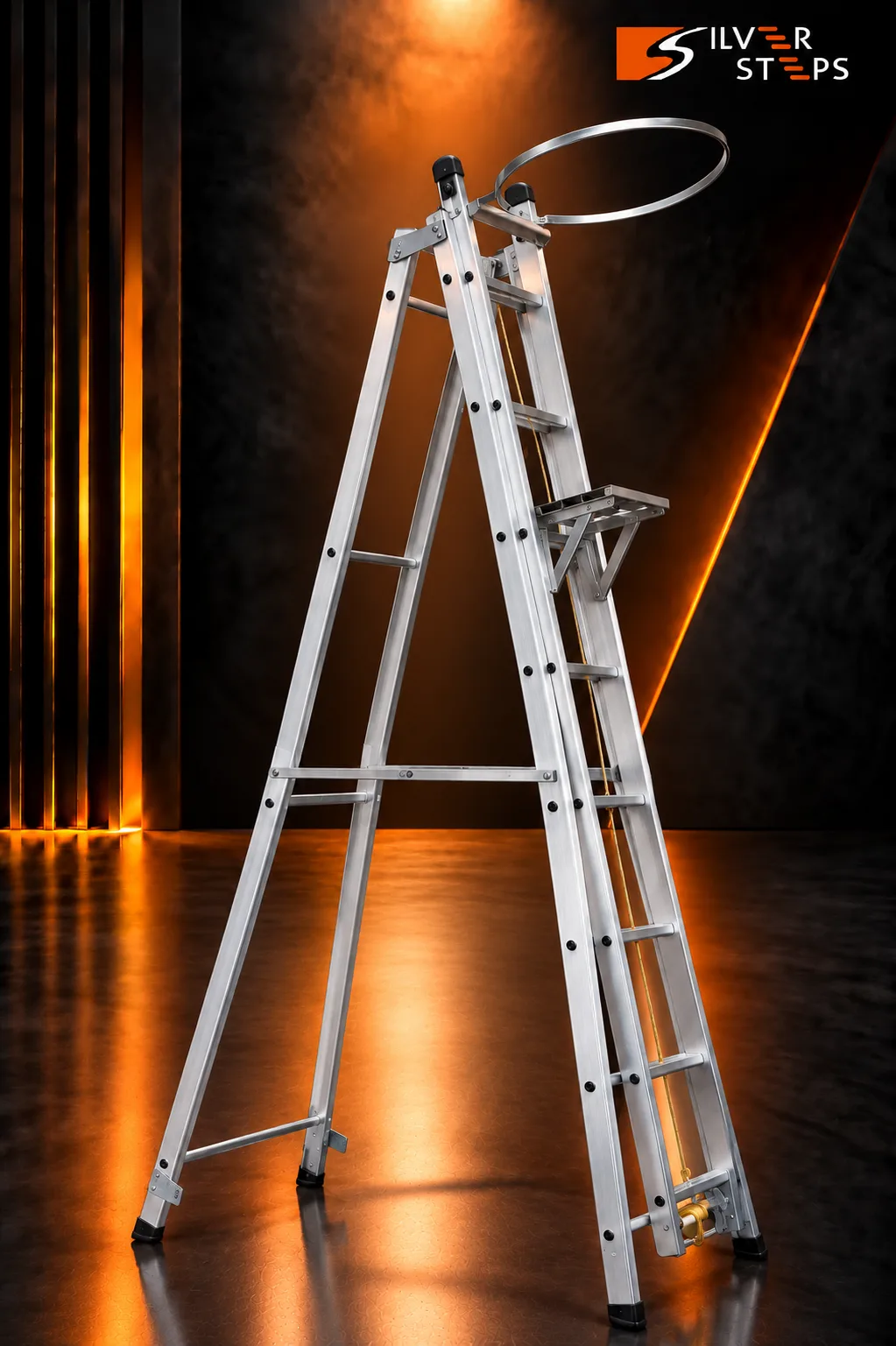
Self Supporting Extension Ladder
Freestanding dual-action extendable ladder with high-tensile wire rope hoist.
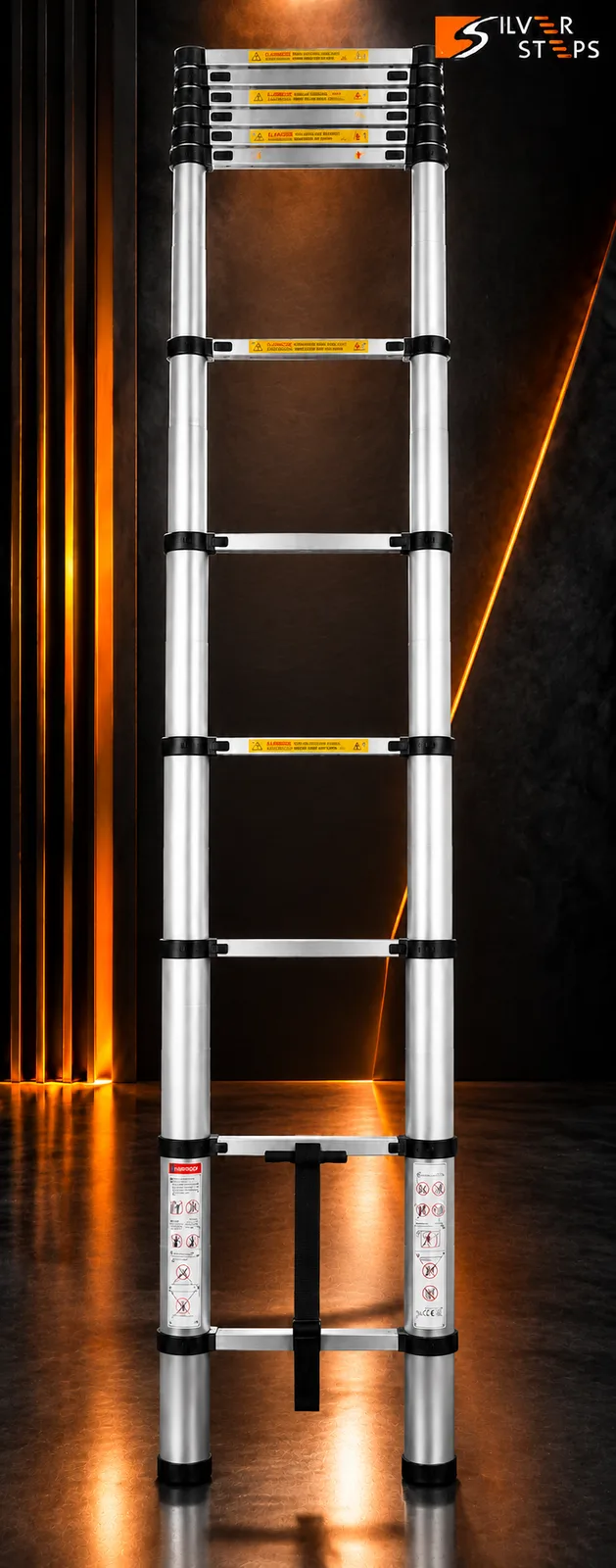
Telescopic Ladder
Smooth one-touch collapsibility with pinch-free air damping lock mechanisms.
Frequently Asked Questions
Clear technical answers regarding suitability, materials, and ordering.
ORDER DIRECT OR INQUIRE FOR Single Ladder
Discuss specific step heights, delivery quantities, or customized safety accessories directly with our Kurla West engineering team.